Spider Removal in Hamilton for Homes & Businesses
How spiders are frequent in Hamilton homes and buildings
Spiders are a frequent concern for property owners looking for pest control Hamilton services because the local environment creates favourable hiding and feeding areas. In Hamilton, Ontario, the mix of older housing, varied building styles, and seasonal moisture can lead to noticeable spider activity indoors and around the exterior of properties.
Neighbourhoods near the Niagara Escarpment and waterfront areas can experience humid seasonal air that support more insect activity, which in turn attracts spiders. Since spiders follow food sources, homes and buildings with steady insect pressure often see more webs, movement, and hidden nesting points.
Many older homes in Hamilton, especially older brick homes in areas such as Dundas, Ancaster, and Stoney Creek, have structural gaps that make it easier for spiders to move indoors. These buildings often include basements, crawl spaces, and utility areas that remain cooler, darker, and less disturbed than main living spaces.
Spiders are also common in garages, storage rooms, and unfinished spaces because they are excellent hiding spots. In detached homes, apartment buildings, retail units, and multi-unit rentals across Hamilton, spiders can settle where there is access to prey, shelter, and moisture.
Warning signs you need spider management in Hamilton
If you are noticing repeated signs of a spider infestation, it may be time to arrange spider control Hamilton treatment. One of the most obvious indicators is the existence of webs in corners, along ceilings, behind furniture, and around vents or basement joists. Fresh webs often suggest ongoing spider movement, while dusty or layered webs can point to an ongoing problem.
Another important sign is the discovery of spider egg sacs. These small silk cases can contain multiple eggs and may be found in sheltered places such as storage rooms, behind boxes, or near foundation edges. Seeing spider activity repeatedly, especially in the same rooms or around windows and lights, can also signal that spiders are hiding nearby.
Watch for corner buildup in low-traffic areas. Dust, lint, dead insects, and web fragments often collect where spiders prefer to stay hidden. If you keep seeing webs after cleaning, or if spiders reappear shortly after removal, the problem may be linked to deeper shelter areas or active entry points.
In Hamilton homes, recurring basement spiders are especially common when a property has humidity, exterior gaps, or nearby insect pressure. When these warning signs continue, professional inspection is often the most effective next step.
What leads to spider infestations indoors
Spider problems indoors usually stem from a combination of food, entry, and shelter. The biggest driver is insect prey. If a home, apartment, or business has ants, flies, moths, or other small insects, spiders get a steady food source and are more likely to stay.
Entry points are another major factor. Spiders can slip in through cracks and gaps, utility penetrations, loose trim, damaged vents, and unsealed exterior openings. Common access areas in Hamilton properties include garage entry points, basement windows, foundation seams, and openings around pipes or cables.
Clutter also contributes heavily. Stored boxes, piles of seasonal items, stacked materials, and crowded shelves create hiding areas that make movement easier. This is especially true in basements, crawl spaces, and storage-heavy garages. Reducing clutter makes inspections easier and removes the dark, protected spaces spiders prefer.
Moisture is another key contributor. Damp environments can attract insects, and that insect presence then attracts spiders. Poor drainage, condensation, plumbing leaks, and humidity in lower levels all increase risk. Managing moisture control in basements and crawl spaces is an important part of long-term prevention.
In many cases, spider issues are a symptom of broader conditions around the property. Addressing the food source, sealing access routes, and keeping storage zones tidy are all necessary to reduce recurring activity.
How expert pest control Hamilton services treat arachnids
Licensed pest control Hamilton services treat spiders using a systematic process built around integrated pest management. Instead of focusing just on visible spiders, trained technicians look at the full environment to identify what causes spiders are present and how to reduce future activity.
The first step is a thorough inspection. During inspection, technicians assess basements, crawl spaces, garages, mechanical rooms, window frames, and exterior perimeters. They look for webs, egg sacs, insect prey, moisture issues, and structural gaps that may support a spider infestation. This stage often includes species identification, since different spiders may cluster in different parts of a property.
After inspection, a technician may apply a targeted treatment in areas where spiders are active or likely to enter. This can include interior treatment in hidden harbourage zones and an exterior treatment around the property perimeter. The goal is to reduce spiders where they live and move, not just where they are seen.
Many professional programs also include an exterior barrier to help restrain new movement into the building. This works best when combined with exterior sealing, which closes off common access routes and helps reduce future pressure.
Because spider activity can change with weather, insect movement, and season, follow-up service is often recommended. A follow-up inspection confirms whether the treatment is working and whether preventive measures need to be adjusted. This approach is especially useful for homes with ongoing basement spiders or for businesses that cannot tolerate repeated web buildup.
Reliable spider control is most effective when treatment, exclusion, and prevention work together.Spider varieties commonly found in Hamilton
Many spider species are frequently seen around homes and businesses in Hamilton. Many are harmless spiders and are generally just a nuisance than a serious threat, but they can still create concern when populations become noticeable indoors.
House spiders are very common. They often build webs in corners, basement areas, closets, and garages. Their webs are usually irregular and easy to spot around quiet, undisturbed spaces.
Wolf spiders are more sizable, fast-moving spiders that do not rely on webs for trapping prey. They are often seen on floors, in basements, or near doors and foundation openings. Because they move quickly, they tend to startle homeowners even when they are not dangerous.
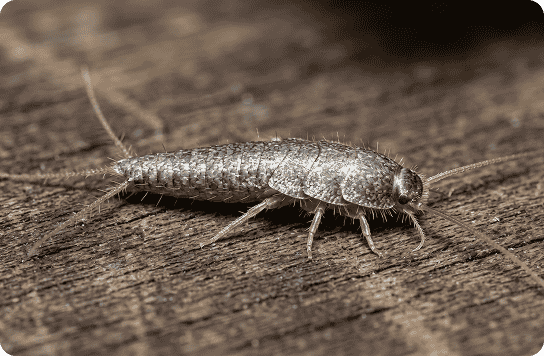
Cellar spiders, sometimes called daddy longlegs spiders, are typically linked to lower-level spaces. They prefer basements, utility rooms, and other damp or dim areas where they can build loose webs. These are classic basement spiders in many Hamilton homes.
Funnel weavers are another group that may be found in sheltered spaces, especially in garages, sheds, and around foundation edges. Their funnel-shaped webs can be a clue that spider activity is clustered in specific areas.
Identifying the species involved helps technicians choose the right treatment plan. It also supports more effective long-term prevention, since different spiders can signal different conditions, such as excess insects, high moisture, or poor sealing around access points.
Preventive tips for long-term spider control
Sustained spider prevention starts with making the home or business less inviting to spiders and the insects they hunt. One of the most important measures is sealing cracks around the foundation, utility lines, vents, windows, and doors. This includes fixing gaps near basement frames and tightening openings around garage entry points.
Check weather stripping on exterior doors and replace worn or missing sections. This can make a meaningful difference, especially in older homes where air leaks are common. Damaged or loose window screens should also be repaired to reduce access through openable pest control Hamilton windows and basement windows.
Exterior sealing is another important step. Closing gaps around siding, trim, and service penetrations helps limit spider movement from outside harbourage into indoor spaces. Since spiders often enter through narrow access routes, even small repairs can have a noticeable impact.
Reducing insect activity is just as important. Fewer insects mean fewer food sources for spiders. Keep exterior lights from attracting insects unnecessarily, clean up spills, and https://www.google.com/search?kgmid=/g/11mwz2m6mr&uact=5#lpqa=d,2 manage garbage or food residue that could draw pests. Inside, regular vacuuming can remove webs, egg sacs, and prey insects before they accumulate.
Good storage practices also help. Keep items off the floor where possible, use sealed bins, and avoid overpacking basements and crawl spaces. This improves access for cleaning and reduces hidden nesting areas. In damp areas, use moisture control methods like dehumidifiers, leak repairs, and better ventilation. Together, these preventive measures support long-term prevention and reduce the chances of recurring spider problems.
When is it time to call to call a local Hamilton pest control expert
There are times when do-it-yourself cleaning and sealing are not enough, and that is the point when calling a local expert is the smart choice. If you are dealing with recurring infestations, persistent webs, or a regular occurrence of spiders in living and work areas, professional help can pinpoint the source more effectively.
High numbers of spiders, especially in lower-level spaces or storage-heavy properties, can point to large spider populations that require a more thorough treatment plan. This is especially important for older buildings, properties with unfinished basements, or homes that border landscaped areas with dense vegetation.
Property type matters too. Detached homes in Ancaster may have different access issues than apartment buildings in downtown Hamilton or retail units near busy commercial corridors. Multi-unit rentals often need coordinated service because shared walls, utility chases, and common areas can allow pests to spread between spaces.
There are also safety concerns to consider. While most spiders are harmless, some people are highly uncomfortable with large spiders, and frequent sightings can create concern for families, tenants, customers, or staff. If web buildup is affecting cleanliness standards or tenant satisfaction, prompt service is the smartest option.
A local technician brings local expertise that matters in Hamilton because spider pressure often varies by neighbourhood, building age, and seasonal conditions. If you want a solution that is effective and customized to your property, a licensed provider can recommend the right combination of inspection, treatment, and prevention.
Spider management for households, units, and commercial properties in Hamilton
Spider treatment needs to be tailored to the building type. For residential pest control, the priority is often on lower levels, sleeping areas, carports, lofts, and storage areas. Homeowners in Hamilton regularly ask for support with removing webs, closing gaps, and application around entry areas where spiders keep returning.
For commercial pest control, the key concern may be public areas, stock rooms, admin areas, and back corridors. Stores, dining businesses, warehouses, and professional offices all are helped by scheduled service that prevents webs from accumulating and minimizes negative impressions.
Shared buildings pose a different challenge. Suites and stacked rentals can have shared entry points, service chases, and ground-level spaces that support spider movement. In these buildings, one unit may be affected even if the source is elsewhere in the structure or exterior envelope.
Management teams teams often need ongoing support for recurring spider issues in corridors, below-grade areas, laundry areas, and trash areas. A systematic program helps ensure that treatment is steady and that prevention steps are handled across common areas, not just individual suites.
Whether the property is a detached home in Stoney Creek, a brick rental in Dundas, or a retail space in Ancaster, the best approach combines web clearing, inspection, entry-point control, and targeted treatment. That is what makes spider treatment effective across Hamilton’s diverse building stock.
Common questions about spider control Hamilton
What is the top spider control in Hamilton for homes?
The best approach combines checking, web clearing, caulking, and focused treatment from a licensed technician. For homes in Hamilton, especially those with lower levels, underfloor spaces, and older construction, the most effective plan usually includes integrated pest management. That means reducing insects, closing gaps, and using protective measures that support ongoing prevention.
Are spider treatments harmless for kids and pets?
Professional spider treatments are typically designed to be safe for families when implemented correctly by licensed technicians. The technician may suggest temporary precautions depending on the product, treatment area, and property layout. Always observe the service instructions carefully so the work stays efficient and safe for children and pets.
How long does pest control Hamilton treatment take to work on spiders?
Effects can vary depending on the size of the spider infestation, the level of insect activity, and how many entry points remain open. Some spider activity may decrease quickly after treatment, while other situations need a follow-up inspection and additional prevention steps. The best results usually come from blending interior treatment, exterior treatment, and exclusion work.
Mosquito Man Hamilton62 First Rd W, Hamilton, ON L8J 3R2, Canada
+1 289-408-9573
https://maps.app.goo.gl/47W3PJ15EnQopiUf6
https://sites.google.com/view/pest-control-hamilton-ontario/
43.1795221, -79.7846013
Why do I keep seeing spiders in my basement or garage?
Basements and garages often provide the exact conditions spiders prefer: darkness, shelter, moisture, and hidden access routes. In Hamilton, this is especially common where weather stripping is worn, window screens are damaged, or garage entry points are not well sealed. If you keep seeing spiders in these spaces, the cause is often a combination of moisture control issues, clutter, and nearby prey insects.
How often should I schedule spider control service in Hamilton?
Service timing depends on the property and the level of activity. Homes with recurring spider issues, older construction, or frequent seasonal pressure may gain from regular inspections and preventive visits. Businesses and multi-unit buildings often need scheduled support to stay ahead of web buildup and tenant concerns. A local provider can recommend the right interval based on your property type, conditions, and long-term goals.